
FAQ
The Nest as a Beginning of Life
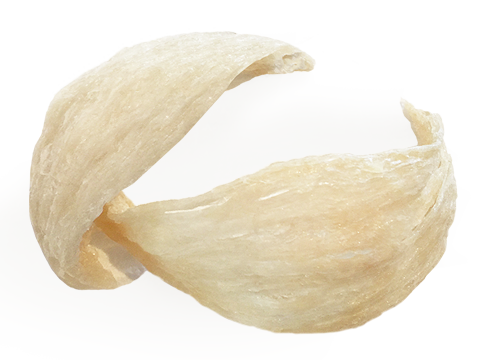
An edible bird’s nest is not just food; it is the beginning of life. Only when a male and female swiftlet prepare to nurture their next generation do they begin building a nest. Symbol of Family: Swiftlets infuse love and care into the construction of their nest, providing a safe and comfortable home for their offspring.
Swiftlets' Specialized Secretion Process
Swiftlets’ Specialized Secretion Process Salivary Glands: Swiftlets have unique sublingual glands that secrete saliva rich in glycoproteins.
Nest Building: As the swiftlets build the nest layer by layer, the saliva air-dries and hardens, forming a sturdy structure.
Formation of EBN: This nest-building process takes about 30 to 45 days, resulting in the edible bird’s nest as we know it.
EBN is
EBN as a Sustainable and Natural Food Source Sustainable: The production of edible bird’s nests is sustainable because swiftlets rebuild their nest every breeding cycle, making EBN a renewable natural resource. Prototype Food: Bird’s nest is one of the most original foods since it is completely natural and unprocessed.
Nourishing Foods - Fine Nourishing Delicacies in Chinese Culture
A Celebrated Tonic Delicacy in Chinese Culture Long History: In Chinese culture, bird’s nest has been revered as a nourishing tonic food for hundreds of years. Precious Value: Bird’s nest is considered a precious delicacy due to its unique nutritional value and health benefits.
Is bird's nest a functional food?
Functional foods are natural or processed foods containing biologically active compounds. At effective, safe levels, these compounds provide health benefits such as preventing, managing, or treating chronic diseases. EBN fits this definition due to its bioactive properties.
Ingredients of bird's nest
Nutritional Composition of Edible Bird’s Nest EBN is nutrient-rich mainly because of its high protein content and unique essential amino acids and monosaccharides.
Similar nutritional components of bird's nest
Approximate Nutritional Composition: – Protein: 50–66% – Carbohydrates: 10–29% – Lipids: 0.04–1.96% – Ash: 1.5–6.7%
The components of bird's nest - carbohydrates, monosaccharides
Carbohydrates & Monosaccharides: Carbohydrates are key energy sources. EBN’s monosaccharide composition is diverse, giving it unique nutritional and functional properties.
The components of bird's nest - protein
Protein: EBN contains more than 50% protein, making it a high-quality protein source.
The components of bird's nest - amino acids
Amino Acids: 21 amino acids have been identified in EBN, including nine essential ones. Its EAA/NEAA ratio (>0.6) and EAA/TAA (~0.4) match standards of high-quality protein.
The components of bird's nest - glycoproteins
Glycoproteins: Abundant in EBN, glycoproteins play vital roles in cell structure, reproduction, immunity, hormone activity, and organismal protection.
The components of bird's nest - sialic acid
Sialic Acid: EBN contains ~10% sialic acid, among the highest in natural products. Benefits include enhancing memory, supporting bone and brain health, and anti-inflammatory/antiviral properties.
Scientific reports on the health benefits of bird's nest
Scientific Reports on Health Benefits: Research highlights EBN’s effects on skin/beauty, memory/neurological function, and overall wellness.
Benefits of bird's nest - beauty
Benefits for Beauty: – Antioxidant: Slows skin aging by fighting free radicals. – Whitening: Inhibits melanin production. – Repair: Promotes cell regeneration, accelerates wound healing, and strengthens skin barrier.
Benefits of bird's nest - memory/nerve
Benefits for Memory & Neurological Function: – Supports brain development and memory formation. – Shows potential against neurodegenerative diseases, improves memory, protects neurons, and may ease Parkinson’s symptoms.
The effect of maternal bird's nest diet on offspring's neurological function
Maternal EBN Diet Effects on Offspring: – Improves learning & memory. – Increases hippocampal synaptic plasticity. – Enhances neurogenesis. – Activates ERK-CREB-BDNF pathway linked to neural function.
Benefits of Bird's Nest - health
General Health Benefits: – Cardiovascular: Lowers cholesterol and improves liver enzymes. – Gastrointestinal: Regulates gut microbiota. – Reproductive: Improves sperm count and may relieve premature ovarian failure.
Bird's nest is a functional food.
EBN as a Functional Food: With health benefits, natural quality, and strong nutrition, EBN fulfills all functional food criteria.